Understanding Opossums and How to Keep Them Away from Your Property
Finding an opossum wandering through your backyard, digging through your trash, or hiding under your deck can be unsettling. Although these animals are generally not aggressive, they can create problems when they begin using residential properties for food and shelter.
Fortunately, there are several effective ways to discourage opossums from visiting your property without harming them. Understanding their behavior, eliminating attractants, and securing potential shelter locations are important steps toward long-term prevention.
At Southwood Pest Control, we understand how frustrating unwanted wildlife activity can be for homeowners. With more than 50 years of pest management experience, our team focuses on practical prevention and responsible solutions to protect properties.
In this guide, we’ll explain how to identify opossum activity, why these animals visit homes, and which opossum removal and prevention strategies can help you reclaim your outdoor space.
What Are Opossums?
Understanding Opossum Behavior
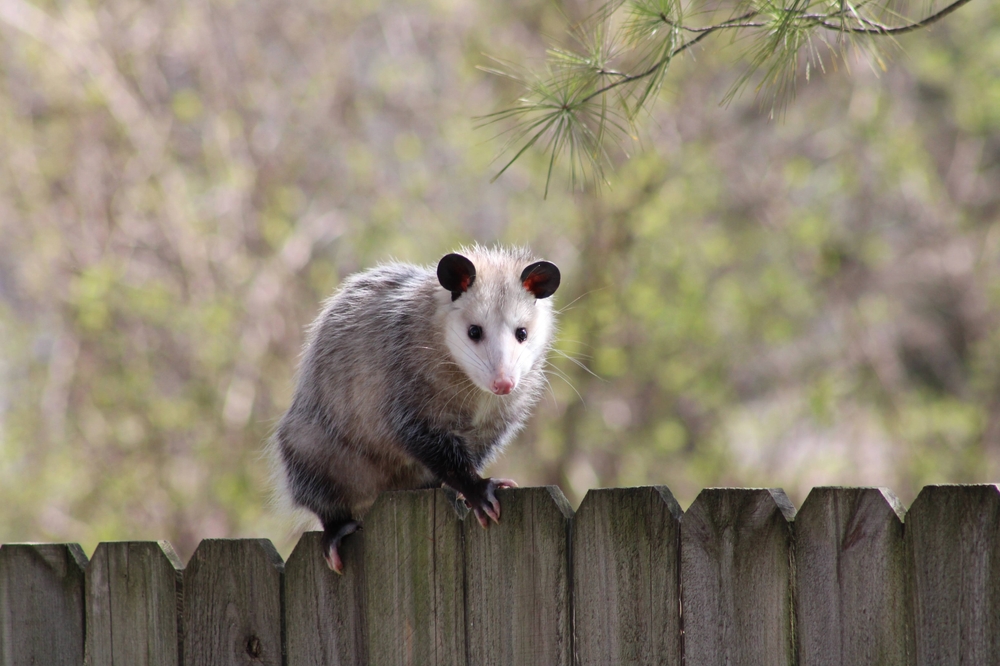
Opossums are the only native marsupials in North America. They are recognizable by their pointed faces, grayish fur, hairless tails, and small rounded ears. Most are nocturnal, meaning they’re primarily active after sunset.
These animals are opportunistic omnivores that eat insects, fruits, vegetables, small animals, and discarded food. They are typically solitary and generally prefer avoiding confrontation.
When frightened, opossums may hiss, bare their teeth, or become temporarily immobile in a defensive behavior commonly called playing dead.
Are Opossums Dangerous?
Although opossums can appear intimidating, they are usually more interested in escaping than attacking people. However, they are still wild animals and should never be approached, cornered, or handled without appropriate training.
Like other wildlife, opossums may carry fleas, ticks, and certain diseases. Their droppings can also create sanitation concerns when they repeatedly occupy areas near homes.
Why Opossums Are Attracted to Your Property
Accessible Food Sources
One of the most common reasons opossums visit residential neighborhoods is the food available.
Common attractants include:
- Unsecured garbage cans
- Pet food left outdoors
- Fallen fruit
- Compost containing food scraps
- Birdseed scattered beneath feeders
- Accessible vegetable gardens
Because opossums are opportunistic feeders, they may repeatedly return to places where food is easy to find.
Shelter and Hiding Places
Opossums also seek quiet, protected spaces to rest during daylight hours.
Potential hiding locations include spaces beneath decks, porches, and sheds; accessible crawlspaces; dense vegetation; and piles of lumber or debris.
Properties with abundant food and convenient shelter are particularly attractive to wildlife.
Signs You Have an Opossum Problem
Nighttime Activity
Opossums are most active at night. You may notice them walking along fences, searching through gardens, or moving between structures after dark.
Disturbed Garbage
Trash scattered across the driveway or yard may indicate wildlife activity. However, raccoons and other animals can make similar messes, so identifying the responsible animal matters.
Droppings and Unusual Sounds
Repeated droppings near patios, decks, or hiding areas may indicate an animal is spending time nearby. Scratching or shuffling beneath structures can also suggest wildlife activity.
Avoid touching wildlife droppings directly, and consider professional identification if you’re unsure which animal is responsible.
How to Get Rid of Opossums Naturally
- Secure Your Garbage Cans
Garbage is one of opossums’ biggest attractions. If food waste is easy to access, animals have a reason to keep returning.
Use containers with secure, tightly fitting lids. If needed, store trash cans in a garage or other enclosed area until collection day.
Rinse containers periodically to remove food residue and odors.
- Remove Outdoor Food Sources
Leaving pet food outdoors overnight can encourage opossums, raccoons, rodents, and other animals to visit your property.
Feed pets indoors whenever possible. If you must feed outdoors, remove food bowls afterward.
Also collect fallen fruit, clean up spilled birdseed, and avoid putting attractive food scraps in open compost piles.
Reducing food availability is one of the most important steps in long-term opossum removal and prevention.
- Eliminate Potential Shelter Locations
Opossums prefer quiet places where they can remain hidden during daylight hours.
Keep your yard organized by removing unnecessary clutter, trimming overgrown vegetation, and neatly storing lumber or equipment.
Pay particular attention to spaces beneath decks, porches, and sheds.
Before closing any opening, make sure no animals are currently occupying the space. Sealing an entrance while an opossum or its young are inside can create serious problems.
- Install Wildlife-Resistant Barriers
Physical barriers can discourage opossums from entering gardens or accessing vulnerable portions of your property.
Appropriate fencing and reinforced barriers may help protect vegetable beds, crawlspaces, and other areas.
However, opossums are capable climbers, so a basic fence may not keep them out.
- Maintain Your Landscaping
Overgrown vegetation and accumulated debris can create convenient hiding places.
Regular landscaping maintenance makes your property less attractive to wildlife while improving visibility around foundations, sheds, and fences.
Trim dense shrubs, remove fallen branches, and don’t let unused materials pile up against structures.
Methods You Should Avoid
Never Use Poison
Poisoning wildlife is dangerous, inhumane, and may violate local regulations. Poison can also expose pets, children, and other animals to serious risks.
Avoid Handling or Cornering Opossums
Even generally nonaggressive animals may bite when frightened or restrained.
Do not attempt to pick up an opossum, chase it into a confined area, or remove young animals yourself.
Be Cautious with Repellents
Some people promote home remedies involving ammonia, mothballs, or strong chemical odors as wildlife deterrents.
However, these substances can create health risks and may not reliably discourage opossums. Eliminating food sources and blocking access to shelter are generally more dependable strategies.
When Professional Opossum Removal May Be Necessary
Although occasional opossum sightings usually don’t require intervention, certain situations deserve professional attention.
Consider seeking assistance when:
- An animal is trapped inside a structure.
- Opossums repeatedly shelter beneath your home.
- You suspect young animals are present.
- An animal appears injured or distressed.
- Wildlife activity creates sanitation concerns.
- You cannot safely identify or secure an entry point.
Professional wildlife assistance can help determine whether removal is necessary and which methods are appropriate.
Understanding Local Wildlife Regulations
Wildlife handling and relocation are subject to state and local regulations. In California, trapping and relocating wildlife may be restricted, and certain actions require appropriate authorization.
Homeowners should contact local animal services or a qualified wildlife-control professional before attempting to trap or relocate wildlife.
Why Choose Southwood Pest Control for Property Protection
Decades of Pest Management Experience
Southwood Pest Control has spent more than 50 years helping homeowners and businesses manage unwanted pest activity.
Our experience with property inspections and prevention helps customers identify conditions that may attract unwanted animals.
Customized Prevention Recommendations
Every property presents different challenges. Some homeowners struggle with unsecured garbage, while others have crawlspace openings, dense landscaping, or outdoor food sources.
Understanding these conditions helps determine which preventative improvements may be most useful.
Environmentally Responsible Solutions
We emphasize practical prevention and Integrated Pest Management principles whenever appropriate.
Reducing attractants and addressing access points can help discourage wildlife without unnecessary chemical applications.
Professional Guidance
When wildlife activity is suspected, proper identification is essential. Southwood Pest Control can help with pest-related concerns and determine when a dedicated wildlife-removal service or local animal services agency is the right resource.
How to Prevent Opossums from Returning
Maintain Your Property Regularly
Long-term wildlife prevention works best when homeowners consistently address potential attractants.
Periodically inspect your property for overflowing garbage, fallen fruit, damaged barriers, and new openings beneath structures.
Monitor Outdoor Activity
If opossums have visited your property before, consider using motion-activated cameras to monitor nighttime activity.
These devices can help identify patterns and determine whether preventative changes are working.
Protect Vulnerable Areas
Inspect crawlspace vents, shed foundations, and spaces beneath decks for openings.
If an area is unoccupied, properly installed exclusion materials can help prevent future access.
Coordinate with Neighbors
Wildlife moves freely between properties. Sharing basic prevention recommendations with neighbors can improve results throughout the neighborhood.
Keep Opossums Away from Your Home
Opossums may be common visitors in residential neighborhoods, but they don’t need to become permanent guests on your property. By removing accessible food, securing garbage, maintaining landscaping, and protecting vulnerable spaces, homeowners can significantly reduce unwanted wildlife activity.
The most effective opossum removal strategy often begins with prevention rather than trapping. Identifying what attracts animals and correcting those conditions can provide lasting results without unnecessary harm.
If you’re dealing with ongoing pest concerns or need help identifying conditions around your property that encourage unwanted activity, Southwood Pest Control can help.
Call Southwood Pest Control at (800) 780-7773 or visit our website to learn more about our pest management services and property protection recommendations!
Frequently Asked Questions
- Will an opossum attack my dog or cat?
Opossums generally prefer avoiding confrontation with pets. However, any wild animal may defend itself when cornered or threatened. Keep pets away from opossums, supervise outdoor activity when necessary, and avoid leaving pet food outside overnight.
- Does seeing an opossum during the day mean it has rabies?
No. Although opossums are primarily nocturnal, they sometimes appear during daylight hours while searching for food or moving between shelter locations. Daytime activity alone does not indicate rabies. If an animal appears severely disoriented, injured, or unable to move normally, contact animal services rather than approaching it.
- Do opossums live in the same place permanently?
Opossums are generally solitary animals that may use several resting locations within their home range. However, a dependable food source or protected shelter can encourage repeated visits. Removing attractants and securing unused openings can help prevent an opossum from repeatedly using your property.