A Hidden Threat in Learning Environments
Schools and universities are meant to be safe, clean spaces where students can focus, learn, and grow. However, pest infestations can quietly undermine that environment, creating health risks, safety hazards, and serious disruptions to daily operations.
From rodents in cafeterias to cockroaches in classrooms, pests can spread quickly in large facilities with high foot traffic. Without proper prevention and maintenance, a small issue can escalate into a widespread problem affecting students, staff, and administration alike.
At Southwood Pest Control, we’ve seen firsthand how damaging pest infestations in schools can become if left unaddressed. In this guide, we’ll break down the real dangers, the most common pests found in educational facilities, and how effective pest control can protect both people and property.
Why Pest Infestations in Schools Are So Common
High Population Density
Schools and universities house hundreds or even thousands of students daily, increasing food waste, clutter, and opportunities for pests.
Frequent Food Exposure
Cafeterias, vending machines, and classrooms often contain food crumbs, spills, and trash that attract pests.
Large Buildings with Hidden Spaces
Campuses have extensive infrastructure—ventilation systems, crawlspaces, basements, and storage areas—that provide ideal hiding spots for pests.
Constant Movement of People and Supplies
Students, staff, and deliveries can unknowingly bring pests into the building.
Common Pests Found in Schools and Universities
Rodents (Mice and Rats)
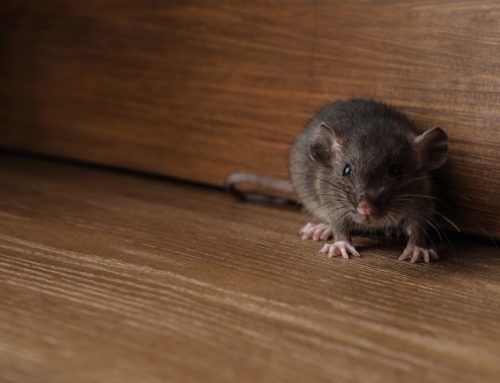
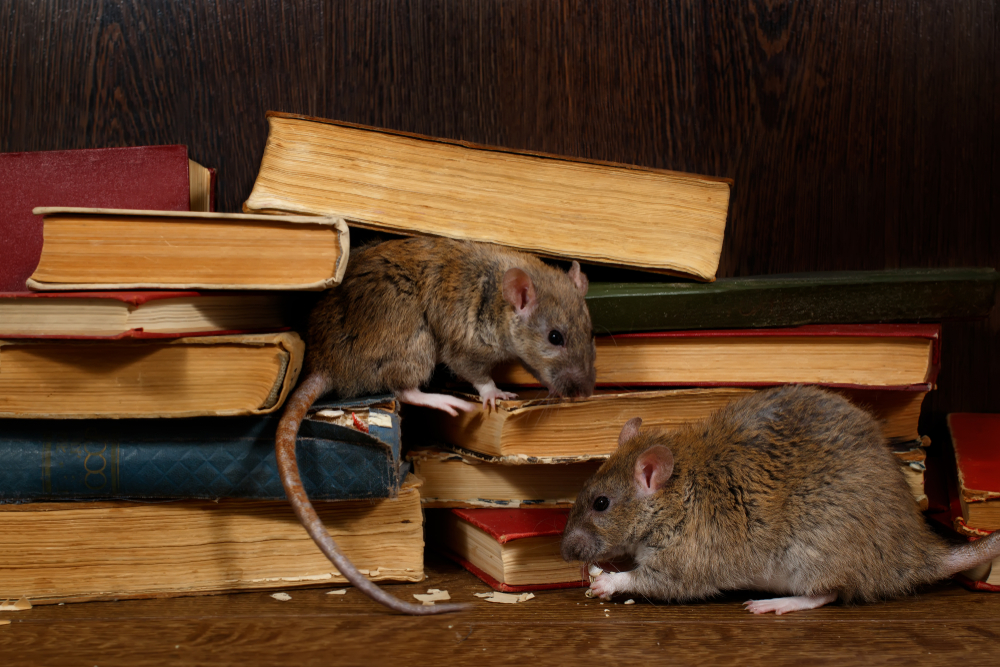
Rodents are among the most serious concerns. They contaminate food, chew through wires, and spread disease.
Cockroaches
These pests thrive in warm, moist environments like kitchens and bathrooms. They are known to trigger asthma and allergies.
Ants
Ants are attracted to sugary foods and can quickly invade classrooms and break areas.
Bed Bugs
Though less common, bed bugs can be introduced via backpacks or dormitories and spread rapidly.
Flies
Flies are drawn to waste and can spread bacteria on surfaces and food.
Health Risks of Pest Infestations in Schools
Spread of Disease
Pests carry bacteria, viruses, and parasites that can spread through contact with surfaces, food, and air.
Allergies and Asthma Triggers
Cockroach droppings, rodent dander, and dust mites are known allergens that can worsen asthma symptoms—especially in children.
Bites and Skin Irritation
Bed bugs and mites can cause itching, rashes, and discomfort, distracting students from learning.
Food Contamination
Pests in cafeterias or kitchens can contaminate food supplies, leading to foodborne illnesses.
Safety and Structural Risks
Electrical Hazards
Rodents chew on wires, increasing the risk of electrical fires or system failures.
Damage to Property
Pests can destroy insulation, furniture, books, and building materials.
Slip and Fall Hazards
Pest droppings or debris in hallways and kitchens can create unsafe walking conditions.
Academic and Operational Impact
Disruptions to Learning
Visible pest activity can distract students and teachers, making it difficult to focus.
Reputation Damage
Schools with pest problems may face negative reviews from parents and the community.
Regulatory Violations
Health inspections may result in fines or closures if pest infestations are severe.
Increased Maintenance Costs
Delaying pest control often leads to more expensive repairs and treatments later.
Preventing Pest Infestations in Schools and Universities
- Maintain Cleanliness
- Clean classrooms and cafeterias daily
- Dispose of trash regularly
- Sanitize food preparation areas thoroughly
- Seal Entry Points
- Repair cracks in walls and foundations
- Install door sweeps and window screens
- Seal gaps around pipes and vents
- Proper Food Storage
- Store food in sealed containers
- Avoid leaving snacks in or on desks and lockers overnight
- Routine Inspections
- Check for early signs of pest activity
- Monitor high-risk areas like kitchens, bathrooms, and storage rooms
- Educate Staff and Students
- Encourage proper waste disposal
- Promote cleanliness habits across campus
Why Professional Pest Control Is Essential
While cleaning and maintenance are important, they are not always enough to prevent infestations in large facilities. Professional pest control ensures that problems are identified early and treated effectively.
Why Choose Southwood Pest Control
- Extensive Experience
With over 50 years of experience, we understand how to manage pest infestations in schools and large institutions. - Customized Treatment Plans
We tailor our services to fit the specific needs of each school or campus. - Safe and Effective Solutions
We use low-toxicity treatments that are safe for students and staff. - Ongoing Monitoring
Regular service visits help prevent recurring pest issues. - Compliance Support
We help schools meet health and safety standards with proper pest management.
What to Expect from a Professional Pest Control Program
Step 1: Inspection
We assess the entire campus to identify pest activity and vulnerabilities.
Step 2: Treatment Plan
We implement targeted treatments based on the type and severity of infestation.
Step 3: Prevention and Monitoring
We provide ongoing inspections and maintenance to ensure long-term protection.
Long-Term Pest Prevention Tips for Schools
- Maintain consistent cleaning schedules
- Address maintenance issues quickly
- Keep outdoor areas clean and well-managed
- Schedule regular pest control inspections
- Promote awareness among staff and students
Protecting Students Starts with Prevention
Pest infestations in schools and universities are more than just an inconvenience—they pose real risks to health, safety, and learning environments. By taking proactive steps and partnering with a trusted pest control provider, schools can maintain clean, safe, and welcoming spaces for everyone.
At Southwood Pest Control, we’re committed to helping educational facilities stay pest-free with reliable, effective solutions.
Call (800) 780-7773 or visit our website to schedule a consultation today!
Frequently Asked Questions
- Why are pest infestations in schools such a serious concern?
They can spread disease, trigger allergies, and disrupt learning environments, affecting both health and academic performance. - How often should schools schedule pest control services?
Most schools benefit from regular monthly or quarterly pest control visits to maintain prevention. - Are pest control treatments safe for students?
Yes, when applied by professionals using approved products, treatments are designed to be safe for students and staff.