Protecting Your Plants from One of the Garden’s Most Persistent Pests
There’s nothing more rewarding than watching a healthy garden flourish. Whether you’re growing vegetables, flowers, herbs, or ornamental shrubs, you invest time and effort into keeping your plants healthy. Unfortunately, some of the smallest pests can cause some of the biggest problems. Aphids are a perfect example.
These tiny insects reproduce rapidly and feed on plant sap, weakening stems, curling leaves, slowing growth, and even spreading plant diseases. Left untreated, a minor aphid problem can quickly become a widespread infestation that affects your entire garden.
Fortunately, with the right combination of prevention, early detection, and professional support when necessary, you can successfully manage these destructive pests.
At Southwood Pest Control, we’ve spent more than 50 years helping homeowners protect both their homes and outdoor spaces from unwanted pests. In this guide, we’ll explain everything you need to know about aphid control, including how to identify an infestation, prevent future problems, and keep your garden thriving throughout the growing season.
What Are Aphids?
Understanding Aphids
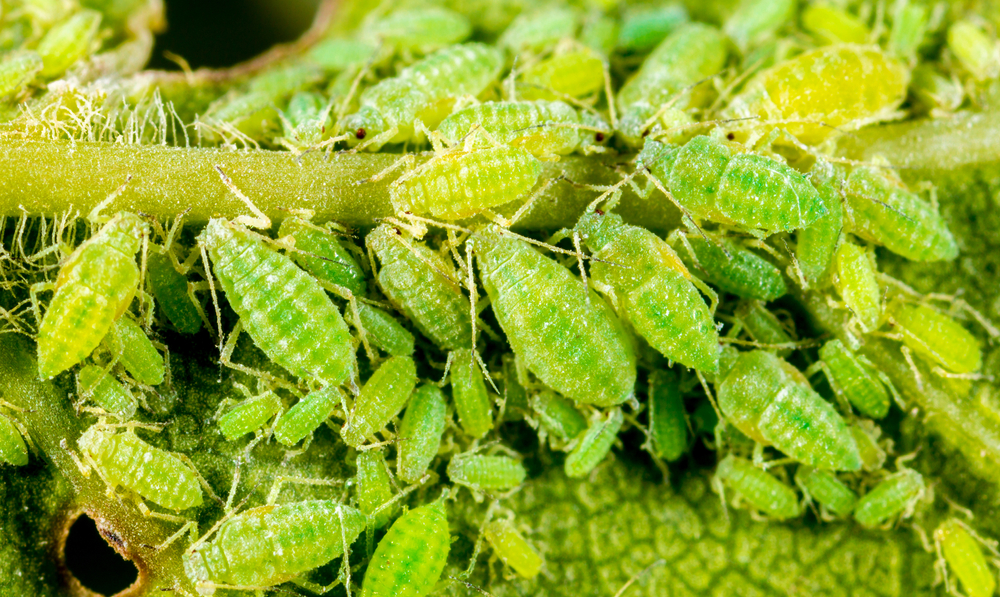
Aphids are tiny, soft-bodied insects that feed by piercing plant tissue and sucking out nutrient-rich sap. Most aphids measure less than one-eighth of an inch long and can be green, black, brown, yellow, white, or even pink depending on the species.
Because they reproduce so quickly, a few aphids can turn into hundreds—or even thousands—in just a matter of weeks.
Plants Aphids Commonly Attack
Although aphids feed on hundreds of plant species, they’re especially attracted to:
- Roses
- Tomatoes
- Peppers
- Cucumbers
- Squash
- Lettuce
- Beans
- Fruit trees
- Citrus trees
- Herbs
- Ornamental flowers
- Shrubs
Young plants are particularly vulnerable because aphids prefer tender new growth.
Signs You Have an Aphid Infestation
Curling or Distorted Leaves
One of the earliest signs of aphids is curling, twisted, or misshapen leaves caused by sap removal.
Sticky Residue
As aphids feed, they produce a sugary substance called honeydew. This sticky coating often appears on leaves, stems, patios, vehicles parked nearby, or outdoor furniture.
Black Sooty Mold
Honeydew encourages the growth of black sooty mold, which can reduce photosynthesis and make plants appear dirty.
Clusters of Tiny Insects
Aphids often gather in large groups along stems, buds, flower clusters, and the undersides of leaves.
Yellowing Leaves
Heavy feeding weakens plants, causing leaves to yellow and eventually fall off.
Why Aphids Are Harmful
Aphids may be tiny, but their impact can be significant.
They can:
- Slow plant growth
- Damage flowers and vegetables
- Reduce crop yields
- Cause premature leaf drop
- Spread plant viruses
- Attract ants through honeydew production
The longer an infestation continues, the more difficult aphid control becomes.
How to Prevent Aphids in Your Garden
- Inspect Plants Regularly
Walk through your garden at least once a week.
Pay special attention to:
- New growth
- Flower buds
- Leaf undersides
- Young vegetable plants
Finding aphids early makes treatment much easier.
- Encourage Beneficial Insects
Many insects naturally feed on aphids, including:
- Ladybugs
- Lacewings
- Hoverflies
- Parasitic wasps
Planting native flowers can attract these beneficial predators and improve natural aphid control.
- Avoid Overfertilizing
Too much nitrogen fertilizer produces lush, tender growth that aphids love.
Use fertilizer according to label recommendations and avoid excessive applications.
- Control Ant Activity
Ants actually protect aphids because they feed on the honeydew they produce.
Reducing ant populations helps beneficial insects control aphids naturally.
- Remove Weeds
Many weeds serve as alternate hosts for aphids.
Keeping the garden weed-free removes additional food sources and breeding sites.
Natural Ways to Control Aphids
Spray with Water
A strong stream of water from a garden hose can knock aphids off plants.
Repeat every few days until populations decline.
Neem Oil
Neem oil disrupts feeding and reproduction while remaining one of the most popular natural options for aphid control.
Apply during the early morning or evening to avoid harming beneficial pollinators.
Insecticidal Soap
Specially formulated insecticidal soaps kill aphids on contact while remaining relatively safe for most plants when used correctly.
Always test a small section of the plant first.
Remove Infested Growth
Prune heavily infested stems or leaves and dispose of them in sealed trash bags rather than composting.
Reflective Mulch
Reflective mulches confuse flying aphids and make it harder for them to locate host plants.
Common Mistakes Homeowners Make
Many gardeners unintentionally make aphid problems worse.
Common mistakes include:
- Applying too much fertilizer
- Waiting too long before treating
- Ignoring ant activity
- Overusing broad-spectrum insecticides that kill beneficial insects
- Failing to inspect new plants before planting
Avoiding these mistakes greatly improves long-term aphid control.
When DIY Methods Aren’t Enough
Natural methods work well for small infestations, but large populations can become difficult to manage.
Professional treatment may be necessary when:
- Multiple plant varieties are affected
- Aphids return repeatedly
- Plants begin dying
- Honeydew and sooty mold become widespread
- Large ornamental landscapes are involved
Professional pest management focuses not only on eliminating aphids but also on correcting conditions that encourage future infestations.
Why Choose Southwood Pest Control
More Than Five Decades of Experience
Southwood Pest Control has helped homeowners and businesses solve pest problems for over 50 years.
Customized Treatment Plans
Every property is different. We tailor our recommendations based on your landscape, plant varieties, and infestation level.
Environmentally Responsible Solutions
We emphasize targeted treatments and Integrated Pest Management techniques whenever possible.
Knowledgeable Technicians
Our licensed technicians identify pest species accurately and recommend the most effective control strategies.
Long-Term Prevention
We don’t just eliminate current infestations—we help reduce the likelihood of future problems.
What to Expect During a Professional Service
Step 1: Inspection
Our technician evaluates your landscape, identifies affected plants, and determines the severity of the infestation.
Step 2: Customized Treatment
We develop a treatment plan that may include targeted applications, exclusion recommendations, and cultural practices designed to improve aphid control.
Step 3: Prevention Recommendations
You’ll receive practical advice on watering, fertilization, pruning, and ongoing monitoring to help protect your garden throughout the growing season.
Long-Term Garden Maintenance Tips
Healthy plants naturally resist pests better than stressed plants.
To reduce future infestations:
- Water deeply but avoid overwatering.
- Prune damaged or overcrowded growth.
- Remove dead leaves and plant debris.
- Encourage beneficial insects.
- Monitor plants weekly.
- Rotate vegetable crops when possible.
- Schedule routine inspections if recurring pest issues develop.
Consistent maintenance remains one of the best forms of aphid control available.
Keep Your Garden Healthy All Season Long
Aphids may be small, but they can quickly become one of the most destructive pests in your garden. Fortunately, early detection, proper plant care, natural predators, and professional assistance when necessary can keep these insects under control.
Whether you’re growing vegetables, flowers, fruit trees, or ornamental landscaping, taking a proactive approach will help protect your investment and keep your plants looking their best.
If you’re struggling with recurring aphid problems, Southwood Pest Control is here to help. Our experienced technicians can identify the source of the infestation and develop a customized treatment plan that delivers lasting results.
Call Southwood Pest Control today at (800) 780-7773 or visit our website to schedule an inspection and learn more about our professional pest management services!
Frequently Asked Questions
- Do aphids kill plants?
Small aphid populations usually won’t kill healthy plants, but large infestations can significantly weaken plants, reduce growth, spread disease, and eventually cause severe damage if left untreated. - What time of year are aphids most active?
Aphids are typically most active during spring and early summer when plants produce fresh new growth, although mild climates can support aphid activity for much of the year. - Are ladybugs really effective against aphids?
Yes. Ladybugs are among the most effective natural predators of aphids. Both adult ladybugs and their larvae consume large numbers of aphids, making them an excellent component of natural aphid control.