When Garden Pests Start to Take Over
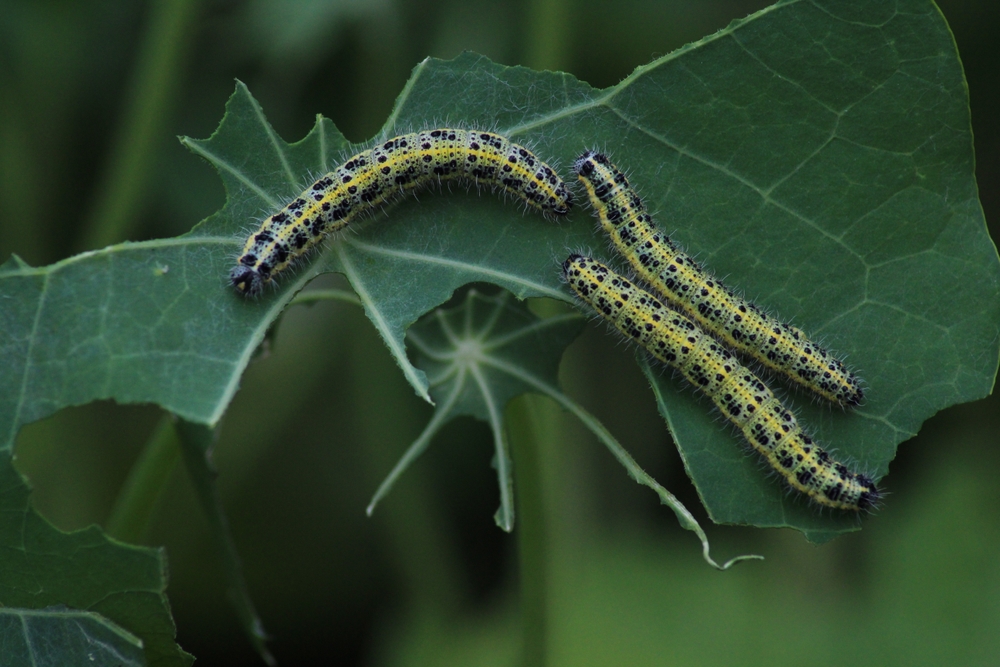
You step outside to admire your garden, only to notice holes in your leaves, chewed stems, and plants that look like they’ve been slowly disappearing overnight. If that’s happening, caterpillars are likely the cause.
While caterpillars may seem harmless at first glance—after all, they eventually turn into butterflies or moths—some species can cause serious damage to your garden in a short amount of time. Left unchecked, they can strip plants bare, weaken crops, and disrupt the balance of your outdoor space.
At Southwood Pest Control, we help homeowners protect both their homes and outdoor environments from invasive pests. In this guide, we’ll walk you through effective caterpillar control methods, including natural solutions, prevention techniques, and when professional help makes the most sense.
What Caterpillars Are and Why They Cause Problems
Understanding Caterpillars
Caterpillars are the larval stage of butterflies and moths. While some are beneficial in small numbers, many species are considered destructive pests.
Why They Damage Gardens
Caterpillars feed aggressively on plant material, including:
- Leaves
- Stems
- Flowers
- Fruits and vegetables
Because they eat constantly as they grow, a single caterpillar can cause noticeable damage—and a group can devastate an entire garden bed.
Common Types of Caterpillars in Gardens
Cabbage Worms
Often found on leafy greens like cabbage, kale, and broccoli. They chew irregular holes in leaves.
Tomato Hornworms
Large green caterpillars that target tomato plants, often stripping them completely.
Armyworms
Known for moving in groups and rapidly consuming crops and grass.
Cutworms
These pests attack young plants at the base, cutting them down at the soil level.
Signs You Have a Caterpillar Problem
- Holes in leaves or ragged plant edges
- Droppings (small dark pellets) on or around plants
- Missing foliage or bare stems
- Caterpillars are visible on the underside of leaves
- Damaged fruits or vegetables
Recognizing these signs early is key to effective caterpillar control.
How to Prevent Caterpillars in Your Garden
- Inspect Plants Regularly
Check leaves, especially the undersides, for eggs and small caterpillars. Removing them early prevents larger infestations. - Encourage Natural Predators
Birds, ladybugs, and parasitic wasps naturally help control caterpillars. You can attract them by planting native flowers and providing water sources. - Use Row Covers
Floating row covers protect plants from adult moths and butterflies that lay eggs. - Keep Your Garden Clean
Remove plant debris and weeds where caterpillars can hide and breed. - Rotate Crops
Changing plant locations each season helps prevent recurring infestations. - Plant Companion Plants
Herbs like basil, rosemary, and thyme can help deter pests naturally.
Natural Ways to Control Caterpillars
- Hand Removal
One of the simplest methods of caterpillar control is manually removing them. Wear gloves and drop them into a bucket of soapy water. - Neem Oil Spray
Neem oil disrupts caterpillar feeding and growth cycles. Spray on leaves during early morning or evening hours. - Bacillus Thuringiensis (Bt)
This natural bacteria targets caterpillars specifically, without harming beneficial insects when used properly. It is one of the most effective organic caterpillar control options. - Garlic and Pepper Spray
Homemade sprays made from garlic, hot peppers, and water can deter caterpillars from feeding. - Soap and Water Solution
A mild dish soap solution can help remove smaller caterpillars and eggs from plant surfaces.
The Limits of DIY Caterpillar Control
While natural solutions can be effective for smaller infestations, they require consistency and careful monitoring. Missing even a few eggs can lead to a new wave of caterpillars.
Additionally, some species are more resistant and may require stronger, targeted approaches.
If your garden continues to show signs of damage despite your efforts, professional caterpillar control may be necessary.
Why Choose Southwood Pest Control
- Experience You Can Trust
With over 50 years of pest control experience, we understand seasonal pest patterns and how to manage them effectively. - Customized Treatment Plans
Every garden is different. We tailor our approach based on plant types, pest species, and severity. - Eco-Friendly Solutions
We prioritize low-toxicity treatments that protect your plants, pets, and the environment. - Thorough Inspections
We identify not only the visible caterpillars but also hidden eggs and breeding areas. - Long-Term Prevention
Our team guides to help you maintain effective caterpillar control throughout the year.
What to Expect From a Professional Caterpillar Control Service
Step 1: Inspection
Call (800) 780-7773 or visit our website to schedule an inspection. We’ll evaluate plant damage and identify the caterpillar species.
Step 2: Targeted Treatment
We may apply specialized treatments to affected plants and surrounding areas to stop the infestation.
Step 3: Prevention Plan
We’ll recommend ongoing maintenance strategies to protect your garden in the long term.
Long-Term Caterpillar Control Tips
- Check plants weekly for early signs of damage
- Keep soil healthy and well-drained
- Avoid over-fertilizing, which can attract pests
- Encourage beneficial insects in your garden
- Use protective barriers during peak seasons
Maintaining consistent care is the key to effective caterpillar control.
Protect Your Garden from Caterpillars
Caterpillars may be a natural part of the ecosystem, but that doesn’t mean they need to take over your garden. With the right balance of prevention, natural solutions, and professional support, you can keep your plants healthy and thriving.
At Southwood Pest Control, we’re here to help you take control of your outdoor space with safe, reliable, and effective pest solutions.
Call (800) 780-7773 or visit our website to schedule your inspection today!
Frequently Asked Questions
- Are all caterpillars harmful to gardens?
No, some caterpillars are part of beneficial pollinator life cycles. However, many common species can cause significant damage to plants. - What is the most effective natural caterpillar control method?
Bacillus Thuringiensis (Bt) is one of the most effective natural solutions, as it specifically targets caterpillars without harming other insects. - How quickly can caterpillars damage plants?
Caterpillars can cause noticeable damage within days, especially when present in large numbers.