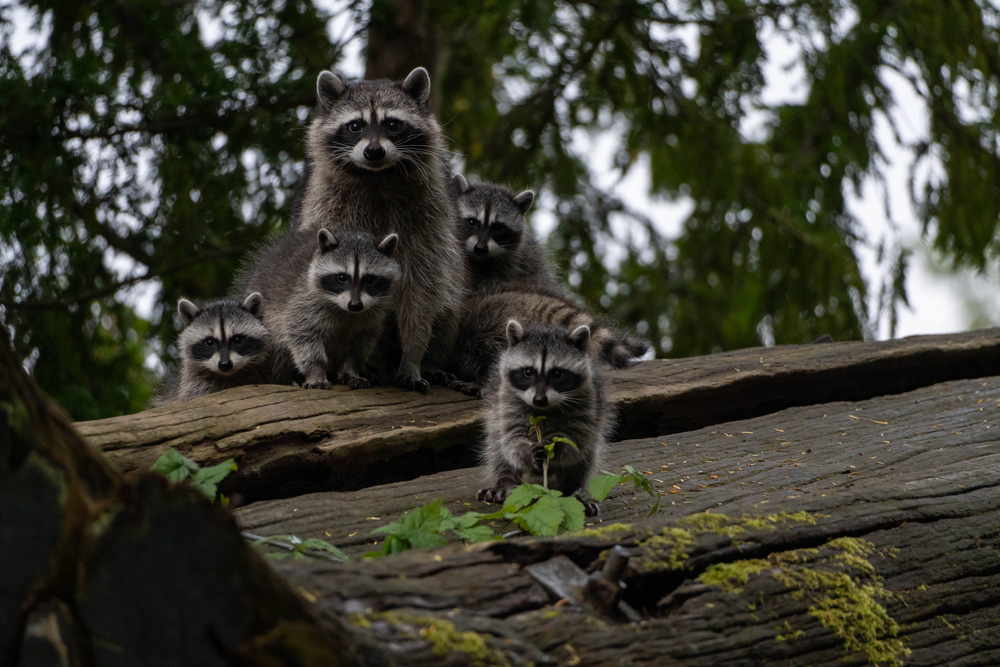
The Curious Intruder: Why Raccoons Pose a Serious Problem
You might spot one on a security camera or hear it rustling around the trash cans at night. Raccoons may look cute, but they are persistent, intelligent, and capable of causing severe damage to your property. From raiding garbage bins to tearing up insulation in attics, raccoons are a growing nuisance for many homeowners across Orange County.
At Southwood Pest Control, we’ve helped countless homeowners safely remove raccoons and fortify their homes against future invasions. In this guide, we’ll walk you through how to get rid of raccoons using a combination of prevention tactics, safe removal techniques, and professional assistance.
Why Raccoons Target Residential Areas
- Easy Access to Food
Raccoons are scavengers by nature. They’re attracted to:
- Unsecured trash cans
- Pet food left outside
- Fruit-bearing trees
- Compost piles
- Shelter and Nesting Sites
Raccoons love dark, quiet places to nest and raise young. Common areas they target include:
- Attics
- Crawlspaces
- Sheds
- Chimneys
- Water Sources
Ponds, fountains, leaky outdoor faucets, and pet water bowls can draw raccoons to your yard.
Signs You Have a Raccoon Problem
- Tipped over garbage bins or scattered trash
- Noises in the attic or walls at night (scratching, thumping)
- Torn roof vents or shingles
- Droppings on the roof or near entry points
- Damaged insulation or ductwork
- Footprints in dirt or mud (they resemble small human handprints)
How to Get Rid of Raccoons: Prevention First
- Secure Trash and Food Sources
- Use heavy-duty garbage cans with tight-fitting lids
- Store bins in a garage or locked shed
- Don’t leave pet food or birdseed outside overnight
- Trim Vegetation Near the House
Raccoons are skilled climbers. Overhanging branches and vines can serve as ladders to your roof. Trim back trees and large shrubs at least 6–8 feet from your home. - Close Off Entry Points
Inspect your home for gaps, holes, or loose vents. Raccoons can squeeze through surprisingly small spaces. Focus on:
- Roof edges and eaves
- Chimneys (install a chimney cap)
- Crawlspace vents
- Attic gable vents (install mesh screens)
- Remove Shelter Opportunities
- Block access to sheds or decks with mesh fencing
- Stack firewood tightly and store it off the ground
- Keep garages and outdoor structures securely locked
- Clean Up Outdoor Food Sources
- Pick up fallen fruit from trees
- Cover compost bins securely
- Don’t leave barbecue grills uncleaned
Natural Raccoon Deterrents
- Motion-Activated Lights or Sprinklers
These startle raccoons and can discourage return visits. - Strong Scents
Raccoons dislike certain smells, such as ammonia, vinegar, garlic, and pepper spray. Use these around entry points (but avoid using indoors). - Noise and Sound Devices
Ultrasonic repellent devices or radios left playing can disrupt raccoon nesting habits. - Predator Urine (Commercially Available)
Scents mimicking the scent of raccoon predators, such as coyotes, can be placed around the perimeter of your property.
Note: Natural repellents are most effective as part of a broader prevention strategy. They rarely solve an infestation on their own.
DIY Raccoon Removal Methods
If a raccoon has already made it into your attic or crawlspace:
- Do not attempt to handle it yourself. Raccoons can become aggressive if cornered, especially if babies are present.
- Do not seal entry points until you are sure all animals are out.
- Use one-way exclusion doors or traps only if you are familiar with local wildlife laws.
Improper removal can result in injury to the animal or yourself, and may be illegal in your area without the proper permits.
Why Professional Raccoon Removal Is the Best Option
Raccoons are clever and resilient. DIY methods may fail to address the full extent of the problem—especially if they’re nested in hard-to-reach areas.
At Southwood Pest Control, we offer safe, humane, and legal raccoon removal services backed by decades of experience.
Our Process:
- We perform a full property inspection to identify entry points and nesting locations.
- We use humane traps or approved exclusion techniques in accordance with local wildlife regulations.
- We safely remove the raccoon(s) and inspect for any babies that may have been left behind.
- We sanitize affected areas to remove pheromones and droppings.
- We seal and reinforce all access points to prevent reinfestation.
Why Choose Southwood Pest Control
- 50+ Years of Experience
We understand the habits of Southern California raccoons and how to get rid of raccoons safely and legally. - Licensed and Insured Technicians
Our team is trained in humane wildlife control and exclusion practices. - Family and Pet-Safe Solutions
We use non-toxic deterrents and traps that are safe for your home and family. - Guaranteed Results
A service guarantee backs our exclusion work. If the raccoons return, so do we.
What to Expect From a Professional Raccoon Service
Step 1: Free Inspection
Contact us today to schedule a no-cost inspection. We’ll assess the problem and determine the best course of action.
Step 2: Humane Removal
If raccoons are present, we’ll use safe, legal methods to remove them without causing harm.
Step 3: Cleanup and Repairs
We’ll clean affected areas and seal access points with professional-grade materials.
Step 4: Prevention Guidance
We’ll provide expert advice to help you keep raccoons out of your home permanently.
Long-Term Prevention Tips
- Perform regular attic inspections, especially after winter
- Store trash indoors until pickup day if possible
- Reinforce pet doors and garage entries
- Keep fences in good repair
- Educate neighbors—raccoon control is more effective when the whole neighborhood participates
Take Back Control from Raccoons
Raccoons might be clever, but you don’t have to let them outsmart you. With proactive prevention and help from Southwood Pest Control, you can keep raccoons off your property and out of your home for good.
Our humane, effective solutions offer long-lasting relief and peace of mind. Call us today at (800) 780-7773 or visit our website to schedule your free inspection.
Frequently Asked Questions
- Are raccoons dangerous to humans or pets?
Yes. Raccoons can carry rabies, roundworms, and other diseases. They may also scratch or bite when cornered. - Can I trap and relocate a raccoon myself?
In most areas, trapping and relocating wildlife is illegal without proper licensing. It’s best to leave this to professionals. - How do I know if raccoons are nesting in my attic?
Look for loud noises at night, foul smells, damaged insulation, or droppings. A professional inspection can confirm the presence of raccoons.