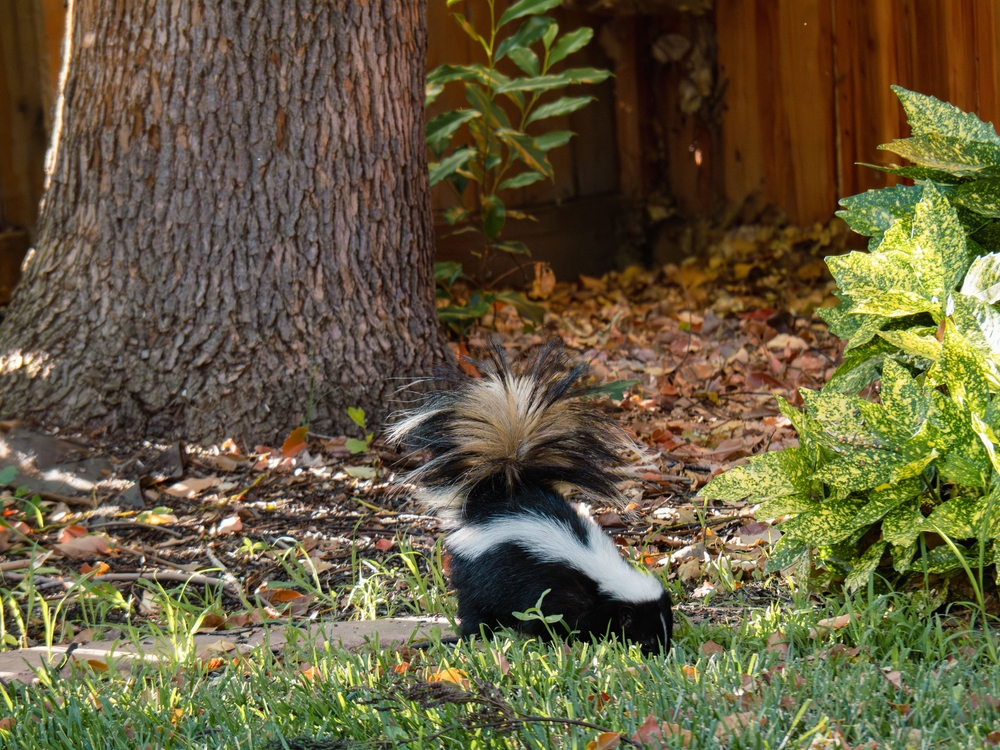
A Homeowner’s Guide to Handling Unwanted Skunk Visitors
Few backyard encounters are as memorable as coming face-to-face with a skunk. Whether you’ve noticed small holes appearing in your lawn, caught a glimpse of a black-and-white animal wandering across your patio, or discovered an unpleasant odor outside, skunks can quickly make homeowners uncomfortable.
The good news is that skunks generally prefer to avoid people. They’re not looking for trouble, and most would rather escape than defend themselves. However, when a property offers easy access to food and shelter, these animals may return repeatedly.
At Southwood Pest Control, we understand the importance of keeping your property comfortable, clean, and protected. With more than 50 years of pest management experience, we help homeowners address conditions that encourage unwanted pest activity.
If you’re wondering how to get rid of skunks, the answer usually involves understanding what brings them around in the first place. Effective skunk removal and prevention begin with identifying attractants, recognizing warning signs, and choosing safe, humane solutions.
Why Skunks Keep Showing Up in Residential Neighborhoods
Skunks are adaptable animals that can thrive in suburban environments. Southern California’s relatively mild climate allows them to remain active throughout much of the year, and residential neighborhoods often provide everything they need to survive.
Your Lawn May Be Providing Dinner
Unlike some wildlife that primarily searches through garbage, skunks spend considerable time hunting insects.
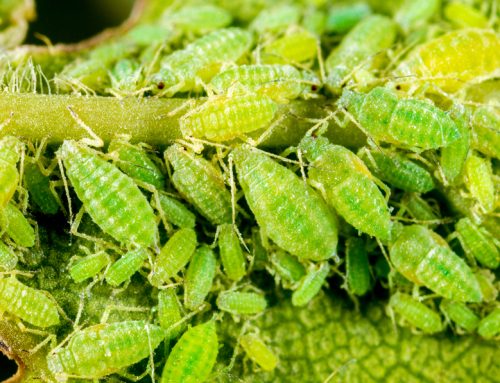
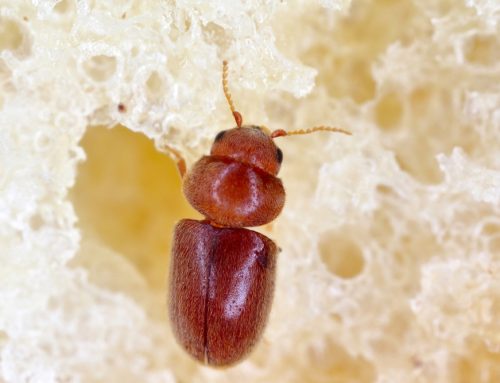
Beetles, grubs, and other soil-dwelling insects are common food sources. If your lawn contains a large population of these insects, a skunk may return regularly to search for them.
Skunks also eat fallen fruit, pet food, small rodents, and discarded food scraps.
Quiet Spaces Make Convenient Dens
A skunk doesn’t need a large wooded area to find shelter. The space beneath a backyard shed or porch may provide sufficient protection from weather and predators.
These areas become particularly attractive when animals are preparing to raise young.
An occasional skunk walking through your yard isn’t necessarily a problem. However, repeated activity around the same opening may indicate that an animal has established a den.
How to Recognize Skunk Activity Before It Becomes a Problem
You don’t have to see a skunk to suspect one has been visiting.
Look for Distinctive Lawn Damage
Skunks often leave small, cone-shaped holes in lawns while searching for grubs and insects. These holes are generally shallow and may appear in clusters.
However, raccoons and other animals can also disturb lawns. The appearance of digging alone isn’t enough to confirm which animal is responsible.
Pay Attention to Unusual Odors
A strong, musky smell is one of the most recognizable signs of skunk activity.
Keep in mind that an odor doesn’t automatically indicate a nearby den. A skunk may have sprayed while traveling through the neighborhood.
Watch for Activity Around Structures
Disturbed soil, scratching sounds, and repeated movement near openings beneath decks or sheds can suggest that an animal is using the space.
If you suspect a den is occupied, avoid disturbing it until the situation has been properly evaluated.
What to Do When You Encounter a Skunk
One of the biggest concerns homeowners have about skunks is getting sprayed. Fortunately, these animals typically provide warning signals before releasing their defensive spray.
Recognize the Warning Signs
A threatened skunk may:
- Stamp its front feet
- Raise its tail
- Turn its body toward the perceived threat
- Hiss or make other defensive sounds
- Perform short warning movements
These behaviors are signs that the animal feels uncomfortable and needs space.
Give the Animal an Escape Route
If you encounter a skunk, avoid sudden movements or loud noises.
Slowly back away and allow the animal to leave on its own. Never corner a skunk or attempt to chase it out of your yard.
Keep children and pets away until the animal has moved to a safe distance.
Practical Ways to Make Your Yard Less Attractive to Skunks
Rather than focusing exclusively on removing an animal after it arrives, homeowners can often prevent repeated visits by making their property less appealing.
Start with Your Lawn
If skunks are repeatedly digging through your grass, investigate whether an excessive grub population is contributing to the problem.
Not every lawn requires insect treatment. A professional pest inspection can help determine whether damaging insects are present and whether treatment is appropriate.
Maintaining healthy grass and addressing significant pest populations may reduce the food available to visiting skunks.
Rethink Outdoor Feeding Habits
Pet food left on patios overnight can attract skunks and other wildlife.
Whenever possible, feed pets indoors. If outdoor feeding is necessary, remove food bowls and clean the area afterward.
Bird feeders can also create problems when seeds accumulate on the ground. Regular cleanup helps eliminate another potential food source.
Keep Garbage and Compost Secure
Skunks are opportunistic feeders, so accessible garbage can encourage repeated visits.
Use containers with tightly fitting lids, clean up spilled waste, and avoid leaving food scraps outdoors.
Compost should be maintained in a way that limits access to wildlife, particularly when food waste is involved.
Take a Closer Look at Your Landscaping
Dense vegetation, cluttered storage areas, and woodpiles can provide convenient hiding places.
Trim overgrown shrubs, remove unnecessary debris, and keep outdoor equipment organized.
These simple improvements make it easier to identify potential animal activity while reducing available shelter.
What If a Skunk Is Living Under Your Deck or Shed?
Finding evidence of a skunk den can be more concerning than spotting an animal passing through the yard.
Skunks may use spaces beneath structures for temporary shelter, particularly when raising young.
Don’t Seal the Entrance Immediately
Blocking an opening without checking whether animals are inside can trap a skunk or separate a mother from her young.
This can create sanitation problems, property damage, and unnecessary suffering.
Before installing exclusion materials, the area should be evaluated to determine whether it is occupied.
Understand How Exclusion Works
Wildlife exclusion involves preventing animals from accessing unwanted spaces through properly installed barriers.
Because skunks are capable diggers, effective barriers may need to extend beneath the soil to discourage burrowing.
The appropriate approach depends on the structure, the location of the opening, and whether animals are currently present.
Know When to Request Assistance
If a skunk has established a den beneath your home, porch, or shed, a qualified wildlife-control professional can help determine the safest response.
Professional assistance is especially important when young animals may be present or when an animal cannot leave the area safely.
Why Common Skunk Remedies Often Disappoint
Homeowners sometimes turn to quick fixes after discovering skunk activity. Unfortunately, many popular remedies fail to address the conditions attracting the animals.
Strong Smells Aren’t a Reliable Solution
Ammonia, mothballs, and other strong-smelling products are sometimes suggested as skunk repellents.
However, these substances may be ineffective and can create health or environmental hazards. Mothballs should not be used as general outdoor wildlife repellents.
Bright Lights Have Limitations
Motion-activated lights may temporarily discourage some animals, but skunks can become accustomed to them.
If food and shelter remain available, lighting alone may not prevent future visits.
Trapping Can Create Additional Problems
Attempting to trap a skunk without proper training increases the risk of spraying, injury, and improper handling.
California also regulates wildlife trapping and relocation. Homeowners should contact local animal services or a qualified wildlife-control professional before attempting these methods.
For most properties, removing attractants and securing unoccupied shelter areas are more dependable long-term strategies.
How Southwood Pest Control Helps Protect Your Property
Southwood Pest Control has served homeowners and businesses for more than five decades, providing professional pest management services and practical prevention recommendations.
While skunk handling may require a dedicated wildlife-control professional, addressing the conditions that attract unwanted animals is an important part of property maintenance.
Identifying Pest-Related Food Sources
Skunks frequently search lawns for insects. When excessive insect activity contributes to wildlife visits, professional pest identification can help determine whether treatment is appropriate.
Evaluating Property Conditions
Accessible garbage, moisture problems, landscaping debris, and structural openings can make a property more appealing to unwanted visitors.
Understanding these conditions allows homeowners to make targeted improvements rather than relying on temporary solutions.
Supporting Long-Term Pest Prevention
Our approach emphasizes responsible pest management and prevention whenever possible.
By identifying contributing conditions and recommending practical solutions, Southwood Pest Control helps homeowners maintain healthier, more comfortable properties.
When specialized wildlife handling is necessary, homeowners should work with an appropriately qualified wildlife-control provider or local animal services agency.
Keeping Your Property Skunk-Free Throughout the Year
Preventing recurring skunk activity doesn’t require constant attention, but it does benefit from a consistent maintenance routine.
Make a habit of checking your yard for fallen fruit, spilled birdseed, unsecured trash, and evidence of digging.
Inspect areas beneath decks, sheds, and porches for new openings, especially after landscaping or construction projects.
If skunks have visited before, motion-activated cameras can help you monitor activity without approaching the animals.
Remember that skunks are part of Southern California’s natural environment. Seeing one occasionally doesn’t necessarily mean your property has a wildlife problem.
The goal is to prevent unwanted sheltering and repeated visits while allowing wildlife to move through the area safely.
Final Thoughts: A Safer Approach to Skunk Problems
Skunks may have an intimidating reputation, but they are generally shy animals that would rather avoid confrontation. Most unwanted encounters occur because a property provides accessible food, comfortable shelter, or an easy place to search for insects.
Understanding these factors makes skunk prevention much more manageable.
Whether you’re dealing with lawn damage, nighttime visitors, or concerns about a potential den, the best approach is to identify the source of the activity and respond safely.
If recurring insect problems or other pest-related conditions are making your property less comfortable, Southwood Pest Control can help you explore practical solutions.
Call Southwood Pest Control at (800) 780-7773 or visit our website to learn more about our professional pest management services!
Frequently Asked Questions
- What should I do if my dog gets sprayed by a skunk?
Keep your dog outdoors if it is safe to do so, preventing the odor from spreading throughout your home. A commonly recommended deodorizing solution combines one quart of 3% hydrogen peroxide, ¼ cup of baking soda, and 1–2 teaspoons of liquid dish soap.Avoid your dog’s eyes, nose, and mouth, rinse thoroughly, and never store the mixture in a sealed container. Contact your veterinarian if your pet develops significant eye irritation, vomiting, or other concerning symptoms.
- Can skunks climb fences or enter enclosed yards?
Skunks are generally better at digging than climbing, although some species can climb. A fenced yard may discourage skunks, but gaps beneath fencing or openings around gates can still provide access. Inspecting and securing these areas can help reduce unwanted visits.
- Are skunks beneficial to the environment?
Yes. Skunks consume many insects, including beetles and grubs, and may also feed on small rodents. Their feeding habits can help control certain pest populations. Although homeowners may not want skunks living beneath their homes, these animals play a useful role in the local ecosystem.