
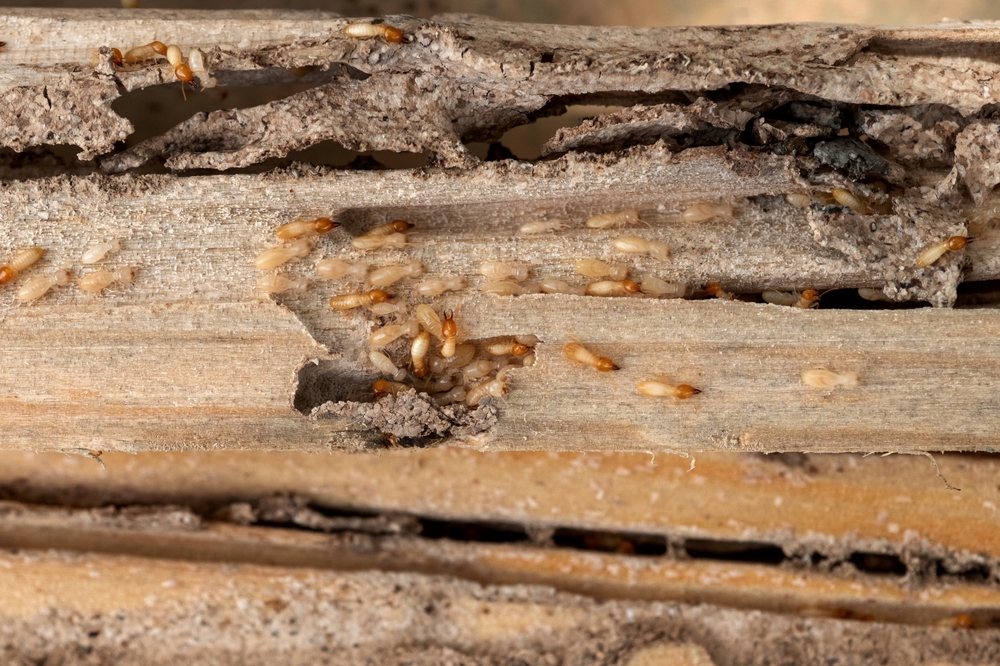
Termites are small, quiet, and often completely unnoticed—but the damage they cause can be anything but minor. Unlike pests that announce their presence by crawling across the kitchen floor, termites can remain hidden inside walls, floors, foundations, and wooden structures for months or even years. By the time obvious damage appears, a colony may already be well established.
That makes prevention especially important. Taking practical steps around your property can make your home less attractive to termites and help you identify warning signs before significant damage occurs.
At Southwood Pest Control, we have more than 50 years of experience helping homeowners protect their properties from termites and other destructive pests. Effective termite prevention involves controlling moisture, limiting wood-to-soil contact, maintaining your property, and scheduling professional inspections when necessary.
Below, we’ll explain why termites enter homes, what signs to watch for, and the steps you can take to protect your property.
Why Termites Are a Serious Threat to Your Home
Termites Feed on Cellulose
Termites survive by consuming cellulose, a natural material found in wood and other plant-based products. Unfortunately, homes contain plenty of potential food sources, including structural lumber, flooring, cabinets, fences, decks, cardboard, and paper products.
Once termites find a dependable food source, a colony can keep feeding without homeowners realizing it.
Termites Can Remain Hidden
One of the biggest challenges with termite infestations is that much of their activity takes place out of sight. Depending on the species, termites may live underground, inside wooden structures, or within other concealed areas.
Wood can look relatively normal from the outside while significant damage develops inside. For this reason, waiting until you actually see termites isn’t a reliable prevention strategy.
Common Types of Termites Homeowners May Encounter
Subterranean Termites
Subterranean termites live primarily underground and build colonies in the soil. They typically travel between the ground and a food source through protective mud tubes. Plumbing leaks, damp soil, poor drainage, and wood-to-ground contact can increase the risk of infestation.
Drywood Termites
Unlike subterranean termites, drywood termites don’t need continuous contact with soil. They can establish colonies directly inside dry wood, including structural lumber, furniture, and other wooden materials.
Dampwood Termites
Dampwood termites prefer wood with high moisture content. They’re frequently associated with water-damaged wood, leaking plumbing, roof problems, or other moisture issues.
Warning Signs of a Termite Infestation
Mud Tubes
Subterranean termites build narrow mud tubes that let them travel while staying protected. These may appear along foundations, crawlspace walls, wooden beams, and other surfaces.
Discarded Wings
Reproductive termites, known as swarmers, leave established colonies to create new ones. After flying, they shed their wings. Small piles of matching wings around windows, doors, or light fixtures may indicate nearby termite activity.
Termite Droppings
Drywood termites produce small pellet-like droppings called frass. You may notice small piles near windowsills, wooden trim, furniture, or other infested wood.
Damaged or Hollow-Sounding Wood
Termite-damaged wood may sound hollow when tapped because insects have eaten away at the inside. You may also notice blistering, cracking, or weakened wood.
Swarming Termites
Seeing winged termites indoors is an important warning sign. While outdoor swarmers don’t automatically mean your house is infested, termites emerging from inside a structure warrant professional attention.
How to Prevent Termites in Your Home
- Eliminate Excess Moisture
Moisture is one of the most important conditions to address around your property. Regularly check for leaking faucets, damaged plumbing, roof leaks, air-conditioning condensation, poorly ventilated crawlspaces, and standing water near the foundation.
Repair leaks promptly rather than allowing damp conditions to continue. Gutters and downspouts should also direct water away from the foundation.
- Reduce Wood-to-Soil Contact
Wood touching soil creates an easy route for subterranean termites.
Whenever possible, avoid direct soil contact with wooden siding, fence posts near the house, deck supports, structural lumber, and porch materials. Keeping soil separate from wooden parts of your home makes it harder for termites to enter undetected.
- Store Firewood Away from Your House
A stack of firewood leaning against your exterior wall might be convenient, but it can also provide food and shelter for termites.
Keep firewood away from the structure, elevated above the soil, and stored in a dry location. Inspect it regularly for insects or signs of damage.
- Be Careful with Mulch
Mulch helps retain soil moisture, but too much mulch right against a foundation can create favorable conditions for termites.
Avoid piling thick layers directly against your house. Maintaining a visible gap also makes it easier to inspect the foundation for mud tubes and other pest activity.
- Remove Dead Wood and Tree Debris
Dead trees, stumps, fallen branches, and buried wood can provide termites with abundant food.
Remove unnecessary wood debris around your property, particularly when it is close to the house. Don’t forget about lumber scraps left behind after construction or landscaping projects.
- Maintain Gutters, Roofing, and Drainage
Clogged gutters can cause water to overflow onto siding, roof components, and areas around the foundation. Clean gutters regularly and check that downspouts direct water away from your home.
Inspect your roof and exterior for damaged shingles, cracked siding, deteriorated wood, gaps around windows, and recurring water intrusion.
- Store Paper and Cardboard Carefully
Cardboard contains cellulose and can become another potential food source. Instead of keeping cardboard boxes on garage or crawlspace floors, consider using durable plastic storage containers.
If you must store cardboard, keep it dry and elevated off the ground.
- Schedule Regular Termite Inspections
Many termite problems aren’t visible to an untrained eye. Professional technicians know where termite activity is most likely to occur and can examine areas homeowners may overlook.
Routine inspections can identify active termites, previous damage, mud tubes, moisture problems, and structural conditions that encourage infestations.
DIY Termite Prevention vs. Professional Termite Control
What Homeowners Can Do
Many preventative measures are straightforward and can become part of regular home maintenance.
Homeowners can repair plumbing leaks, keep wood away from the foundation, maintain gutters, remove dead wood, monitor for swarmers, check foundations for mud tubes, and reduce excess moisture.
These steps can significantly reduce conditions that attract termites.
Where DIY Methods Fall Short
The challenge is that an infestation can remain hidden even when your home appears perfectly maintained.
Store-bought products applied to visible insects may not reach the colony. Treating one area without understanding the species, colony location, or extent of activity can also provide a false sense of security.
If you find evidence of termites, professional identification and treatment are generally more reliable than trying to eliminate an established colony yourself.
Why Choose Southwood Pest Control for Termite Services
More Than 50 Years of Experience
Southwood Pest Control brings decades of experience to termite inspections, treatment, and prevention. Understanding termite behavior is critical because different types of termites require different approaches.
Detailed Termite Inspections
Our technicians examine your property for active infestations, previous damage, and conditions that may increase your risk.
Customized Treatment Recommendations
No two properties are exactly alike. Treatment recommendations depend on factors such as termite species, infestation location, structural conditions, and the extent of activity.
Wood Repair Experience
Termite damage doesn’t always end when the insects are eliminated. Southwood Pest Control can also help address damaged wood and repairs when needed, helping homeowners manage both the pest problem and its effects.
Long-Term Protection
Effective termite management isn’t simply about killing the termites you can see. It’s about protecting the structure and reducing conditions that can lead to future infestations.
What to Expect During a Professional Termite Inspection
Step 1: Evaluate the Property
A technician examines accessible portions of the home for evidence of termites and conditions that could support an infestation. The technician may pay special attention to foundations, wooden structural components, crawlspaces, attics, garages, and exterior areas.
Step 2: Identify Evidence of Activity
The technician looks for signs such as mud tubes, frass, damaged wood, swarmers, discarded wings, and moisture-related concerns.
Step 3: Determine the Appropriate Solution
If the technician finds termite activity, the next step is to develop a treatment plan based on the type and extent of the infestation. Recommendations may also include repairs or preventative improvements around the property.
Step 4: Continue Prevention
After treatment, maintaining your property remains important. Addressing leaks, drainage, wood storage, and other risk factors helps reduce the chance of termites returning.
Building a Long-Term Termite Prevention Routine
Preventing termites isn’t a one-time project. Incorporating a few habits into routine property maintenance can make a meaningful difference.
Every few months, walk around your home’s exterior and check foundation walls, wooden siding, decks, window and door frames, plumbing areas, firewood storage, and landscaping.
Watch for moisture, damaged wood, mud tubes, insect wings, or anything else that looks unusual. Seasonal maintenance lets you fix minor problems before they become bigger ones.
Combining these routine checks with periodic professional inspections provides an additional layer of protection. You don’t need to wait until you see obvious damage before having your home evaluated.
Protect Your Home Before Termites Move In
Termites can cause extensive damage while remaining almost completely hidden, which is exactly why prevention matters. Keeping your property dry, eliminating unnecessary wood-to-soil contact, maintaining landscaping, repairing leaks, and watching for early warning signs can all make your home less vulnerable.
However, even careful homeowners may not be able to identify hidden termite activity on their own. Professional inspections can detect evidence and risk factors that are easy to overlook.
If you’re concerned about termites or simply want greater confidence that your home is protected, Southwood Pest Control is ready to help. With decades of experience in termite and pest management, our team can inspect your property, identify potential problems, and recommend an appropriate solution.
Call Southwood Pest Control today at (800) 780-7773 or visit our website to learn more about termite services and schedule an inspection.
Frequently Asked Questions
- Does having a concrete foundation mean my home is safe from termites?
No. Termites can travel through extremely small cracks or build mud tubes across concrete to reach wooden parts of a home. Houses with concrete foundations can still develop termite infestations.
- Should I remove a tree stump if it’s close to my house?
Yes, removing dead stumps and buried wood near your home is a helpful preventative measure because decaying wood can provide termites with a food source. It also makes the area easier to inspect for termite activity.
- How often should I have my home professionally inspected for termites?
The appropriate schedule depends on your property’s construction, history, moisture conditions, and previous termite activity. Regular professional inspections can help identify problems before obvious structural damage develops.