Why Box Elder Bugs Become a Seasonal Headache
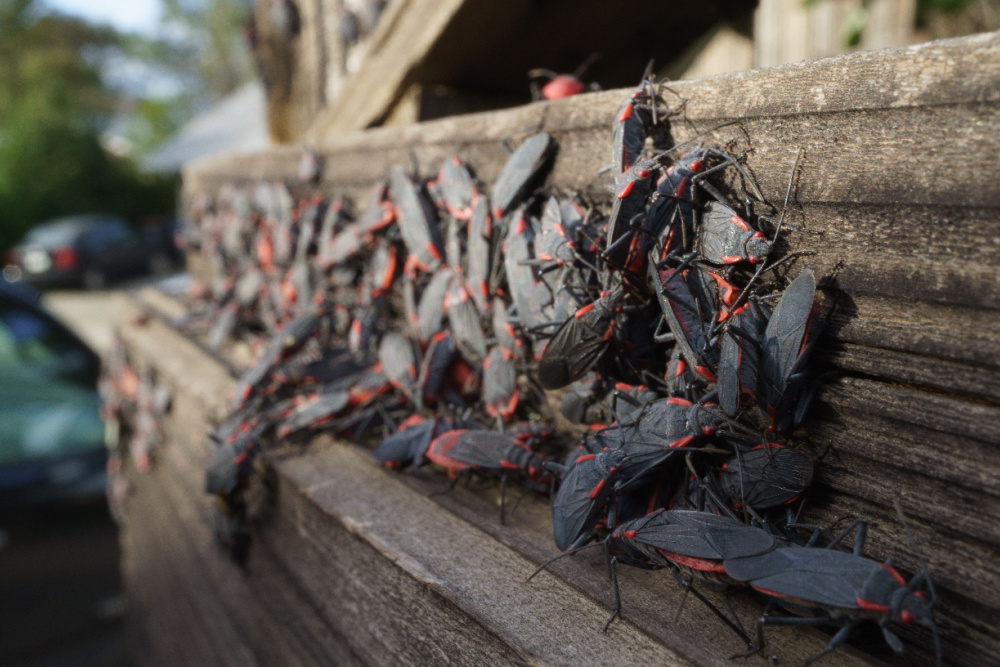
You notice clusters of black and red insects sunning themselves along your siding or crawling around your windowsills. They’re slow-moving, they don’t seem aggressive, but they’re everywhere. If this sounds familiar, you’re likely dealing with box elder bugs.
While box elder bugs are not dangerous to humans or pets, they can quickly become an overwhelming nuisance. They gather in large numbers, stain surfaces when crushed, and often invade homes during cooler months in search of warmth. Without proper prevention and control, what starts as a few insects outside can turn into dozens—or even hundreds—inside your home.
At Southwood Pest Control, we help homeowners each year with safe, effective, and long-lasting box elder bug control strategies. In this guide, we’ll break down how to prevent and control box elder bugs using both practical DIY steps and professional solutions.
What Are Box Elder Bugs?
Appearance and Identification
Box elder bugs are black with distinctive reddish-orange markings along their wings and thorax. Adults are about half an inch long, flat, and oval-shaped.
Where They Come From
These insects feed primarily on box elder trees, maple trees, and ash trees. They thrive outdoors during the warm months but move toward buildings in the fall to overwinter.
Why They Enter Homes
Box elder bugs seek shelter from cold weather. They squeeze into tiny cracks and gaps around windows, siding, vents, and foundations.
Signs of a Box Elder Bug Problem
- Large clusters on sunny exterior walls
- Bugs gathering around windows and door frames
- Insects appear inside during fall and winter
- Staining on curtains, walls, or furniture from crushed bugs
- Dead insects in attics or wall voids
While they don’t bite or reproduce indoors, their sheer numbers can make them feel like a serious infestation.
How to Prevent and Control Box Elder Bugs Outdoors
- Inspect and Seal Entry Points
One of the most important steps in box elder bug control is sealing your home properly. Inspect for:
- Cracks around windows and doors
- Gaps in siding or foundation
- Openings around utility pipes
- Loose vent covers
Use caulk, weatherstripping, and fine-mesh screens to block access.
- Trim Nearby Trees and Vegetation
If box elder or maple trees are close to your home, trim branches so they don’t touch the structure. This reduces the insects’ pathway onto your siding and roof. - Remove Seed Pods
Box elder bugs feed heavily on seeds from box elder and maple trees. Rake and dispose of fallen seeds regularly to reduce food sources. - Clean Exterior Walls
Use a garden hose or pressure washer (on a gentle setting) to remove clusters before they migrate indoors. - Apply Exterior Perimeter Treatments
Professional-grade perimeter treatments applied to siding, foundation lines, and entry points are one of the most effective box elder bug control strategies.
How to Prevent and Control Box Elder Bugs Indoors
- Vacuum Them Immediately
Avoid crushing box elder bugs, as they can leave stains. Instead, use a vacuum with a hose attachment and dispose of the bag immediately. - Avoid Spraying Indoor Chemicals
Most over-the-counter sprays offer temporary relief and can cause staining or odor issues. They also don’t address the root problem—entry points. - Install Door Sweeps and Repair Screens
Even small tears in window screens can allow entry. Replace damaged screens and install tight-fitting door sweeps. - Reduce Light Attraction
While not as strongly drawn to light as some insects, box elder bugs may gather near bright windows. Consider using curtains or blinds during peak clustering times. - Maintain Proper Insulation
Sealing attic spaces and wall voids can reduce opportunities for overwintering.
Why DIY Box Elder Bug Control Has Limits
DIY steps can significantly reduce the number of visible insects, but they rarely eliminate the issue completely. Box elder bugs gather in large numbers and hide deep within siding and wall voids. Without professional-grade products and experience, it’s easy to miss hidden access points.
If box elder bugs return year after year, it’s time to invest in long-term box elder bug control through professional service.
Why Choose Southwood Pest Control
- Over 50 Years of Local Experience
We understand seasonal pest behavior and know exactly when and where to treat for effective box elder bug control. - Comprehensive Inspections
We assess your entire property, from roofline to foundation, identifying vulnerabilities that allow entry. - Targeted Exterior Treatments
Our technicians apply low-toxicity treatments to critical areas where box elder bugs cluster and enter. - Safe for Families and Pets
All treatments are EPA-approved and applied with safety in mind. - Long-Term Prevention Plans
We offer recurring service plans that stop box elder bugs before they become a seasonal nuisance.
What to Expect From a Professional Box Elder Bug Control Visit
Step 1: Free Inspection
Call (800) 780-7773 or visit our website to schedule your inspection. We’ll evaluate exterior clustering and interior entry points.
Step 2: Exterior Treatment
We focus on siding, window frames, foundation cracks, and other vulnerable areas to create a protective barrier.
Step 3: Exclusion and Recommendations
We’ll recommend sealing gaps, trimming vegetation, and ongoing maintenance steps to prevent reinfestation.
Long-Term Box Elder Bug Prevention Tips
- Seal cracks before fall begins
- Remove tree debris and fallen seeds regularly
- Repair damaged siding promptly
- Keep attic vents screened
- Schedule preventative pest services annually
Consistency is essential for box elder bug control. Acting before cooler weather arrives can significantly reduce indoor invasions.
Stay Ahead of Box Elder Bugs
Box elder bugs may not bite or spread disease, but they can quickly take over your home’s exterior—and sometimes interior—if left unchecked. The key to success is prevention, early action, and proper exclusion.
With professional box elder bug control from Southwood Pest Control, you can protect your home from seasonal invasions and maintain a clean, comfortable living space year-round.
Call Southwood Pest Control today at (800) 780-7773 or visit our website to schedule your free inspection!
Frequently Asked Questions
- Do box elder bugs cause structural damage to homes?
No, box elder bugs do not damage structures. However, they can stain surfaces and become a serious nuisance when present in large numbers. - Why do box elder bugs return every year?
They are seasonal pests that overwinter in warm structures. If entry points are not sealed and perimeter treatments are not applied, they are likely to return. - When is the best time to treat for box elder bugs?
Late summer to early fall is ideal for preventative box elder bug control, before the insects begin searching for overwintering sites.