The Constant Buzz: Why Flies Are More Than Just a Nuisance
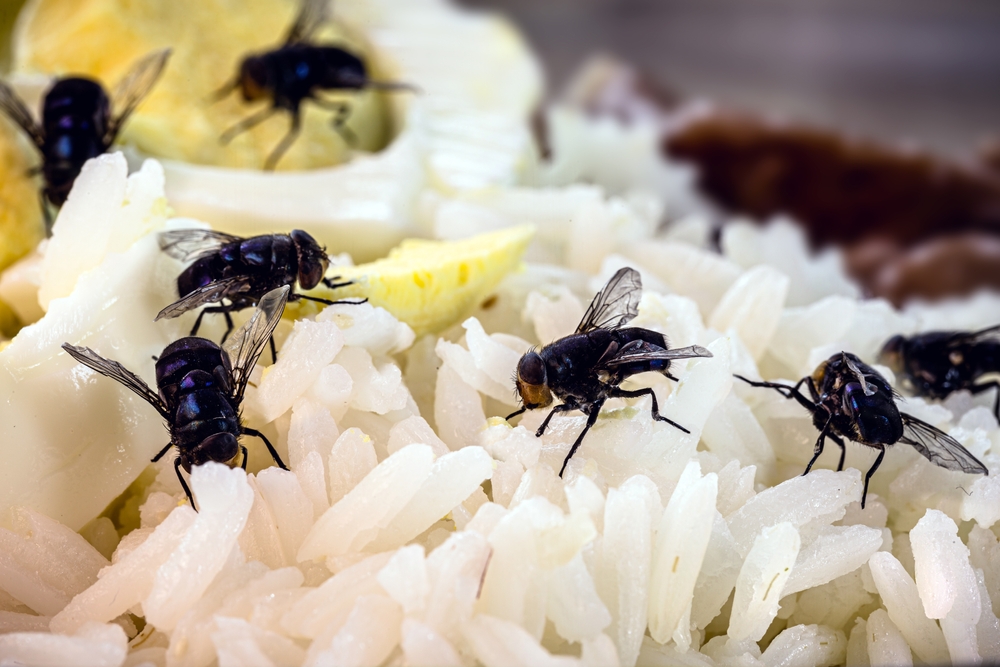
You’re enjoying a quiet moment in your kitchen when a fly zips past your ear—or worse, lands on your food. Flies are one of the most common household pests, especially during warmer seasons. While they may seem like a minor annoyance, their presence can lead to contamination, discomfort, and even illness.
At Southwood Pest Control, we’ve helped countless homeowners throughout Orange County handle fly infestations with practical and sustainable solutions. Whether you’re seeing just a few or dealing with a swarm, this guide will walk you through the best ways to get rid of flies in the house and keep them out for good.
Types of Flies You Might Encounter Indoors
House Flies
The most common type. They breed in garbage, pet waste, and food spills, carrying bacteria from one surface to another.
Fruit Flies
Tiny and often found near overripe fruit or fermenting liquids. A few can quickly turn into hundreds.
Drain Flies
Also known as moth flies, these small pests breed in the gunk inside sink and shower drains.
Fungus Gnats
Often mistaken for fruit flies, these breed in overly moist soil and are common around houseplants.
Cluster Flies
Larger and slower-moving, they often congregate near windows during cooler months, especially in attics and wall voids.
How Flies Enter Your Home
- Open doors and windows without screens
- Gaps around windows, vents, or doors
- Unsealed trash bins or compost piles
- Incoming groceries, produce, or houseplants
- Pet waste or decaying organic matter near the home
Why Flies Are a Problem
Even a single fly can carry bacteria and pathogens picked up from trash, feces, or decaying matter. Common illnesses associated with flies include:
- Salmonella
- E. coli
- Food poisoning
They contaminate food, dishes, and surfaces simply by landing on them.
How to Get Rid of Flies in the House
- Eliminate the Source
Flies breed in decaying organic material, so identifying and removing their source is crucial:
- Clean up food spills and crumbs immediately
- Take out trash regularly and use bins with tight-fitting lids
- Store ripe fruits in the fridge
- Clean litter boxes and pet waste promptly
- Rinse recyclable containers before discarding
- Clean Sink and Shower Drains
Drain flies breed in sludge inside pipes. Use these steps to clean them:
- Pour a mixture of baking soda and vinegar down the drain
- Follow with boiling water
- Use a stiff brush or drain cleaner to remove gunk if needed
- Trap and Eliminate Existing Flies
Use traps to capture flies already in the house:
- Apple cider vinegar and dish soap traps for fruit flies
- Fly paper or sticky traps for house flies
- UV light fly traps for ongoing control
- Dry Out Moist Areas
Fungus gnats thrive in overly moist soil. Let houseplants dry out between waterings, and make sure pots have good drainage. - Use Natural Repellents
Avoid chemical sprays with these natural options:
- Lemon and cloves: Cut a lemon in half and press cloves into it—place near fly-prone areas.
- Essential oils: Mix peppermint, eucalyptus, or citronella oil with water and spray around windows and doorways.
- Basil or mint: These herbs naturally repel flies. Keep potted plants on windowsills or in your kitchen.
- Maintain Window and Door Screens
Patch holes in screens and keep them securely fastened. Install fine-mesh screens on doors and windows that are frequently opened. - Keep Outdoor Areas Clean
If your backyard or patio is dirty, flies will be attracted to your home’s exterior:
- Pick up after pets
- Keep garbage bins sealed
- Move compost bins far from the house
- Clean up spilled food after outdoor gatherings
DIY Fly Control vs. Professional Pest Control
When DIY Works
For minor or seasonal fly activity, keeping your home clean and using a few well-placed traps may be enough.
When to Call the Pros
If you’re dealing with recurring fly issues or the problem seems tied to plumbing, wall voids, or attic spaces, professional help is recommended. Flies breed quickly, and without addressing the source, the issue can grow worse.
Why Choose Southwood Pest Control
- Over 50 Years of Experience
We understand the habits and breeding cycles of all types of household flies and know where to look for hidden breeding grounds. - Expert Inspections
We inspect drains, attics, garbage areas, crawlspaces, and kitchens to identify sources of infestation. - Customized Solutions
Every home is different. We create a tailored plan that combines physical barriers, traps, and low-toxicity treatments. - Safe and Effective Treatments
We use EPA-approved products and application methods that are safe for families and pets. - Long-Term Prevention
In addition to eliminating flies, we offer guidance to help you keep your home fly-free for the long haul.
What to Expect From a Professional Fly Treatment
Step 1: Free Inspection
Contact Southwood Pest Control at (800) 780-7773 or visit our website to schedule a free home inspection.
Step 2: Targeted Treatment
We’ll apply treatment in critical areas, including drains, garbage bins, attic vents, and food storage spaces.
Step 3: Follow-Up and Prevention
We provide post-treatment inspections, offer cleaning tips, and, if necessary, install fly-prevention tools, such as screens and door sweeps.
How to Prevent Future Fly Infestations
- Store produce in sealed containers or in the fridge
- Wipe counters, sinks, and tables after meals
- Run garbage disposals daily to reduce food buildup
- Avoid over-watering indoor plants
- Check groceries and plants for hitchhiking flies
Consistency is key to keeping flies out of your home.
Say Goodbye to Flies Indoors
Flies may be small, but they can cause significant problems if left unchecked. The good news? With a few smart changes and the right tools, you can take control of your indoor space and eliminate the buzz for good.
At Southwood Pest Control, we’re here to help. Whether you want help with a current fly infestation or need preventative solutions that last, our team has the experience, equipment, and customer service you can count on.
Call (800) 780-7773 or visit our website today to schedule your free inspection!
Frequently Asked Questions
- How do I know if I have a fruit fly or a drain fly problem?
Fruit flies are typically found near produce and sugary liquids. Drain flies appear near sinks and tubs and often resemble small moths. A professional inspection can help confirm the type. - Can I use essential oils to get rid of flies?
Yes, peppermint, eucalyptus, and citronella oils can help repel flies. However, they work best as a deterrent and not for eliminating an existing infestation. - How long does it take to get rid of flies once treatment starts?
Most homes see a significant reduction in fly activity within a few days of treatment. Long-term prevention ensures the issue doesn’t return.